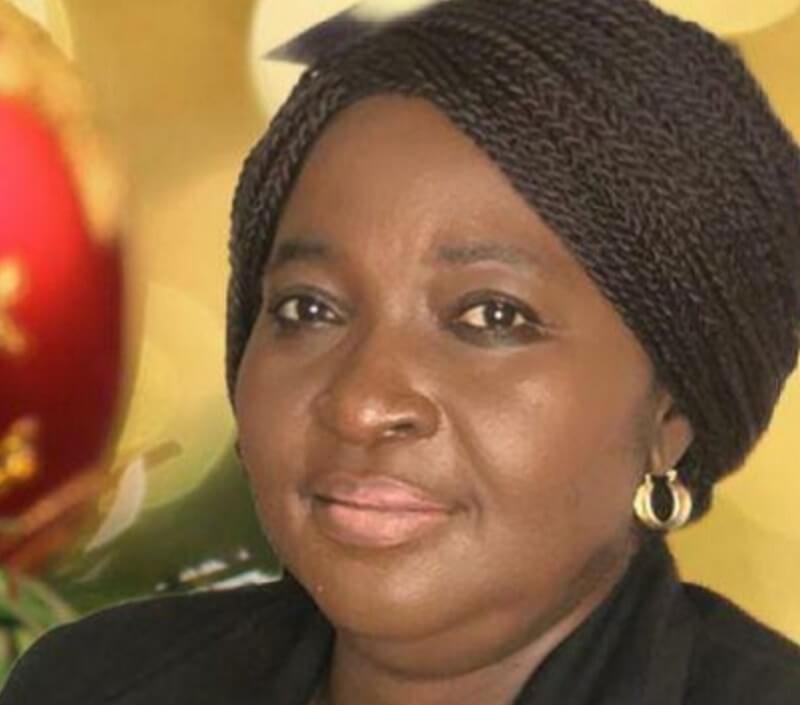
By Cecilia Ogezi (Correspondent, Abuja)
Experts have called for increased advocacy to encourage local production of Pre-exposure prophylaxis (PrEP) ring as it has been proven to prevent the acquisition of HIV infection by uninfected persons by 50%.
Executive Director of New HIV Vaccine and Microbicides Advocacy Society (NHVMAS), a non-governmental organization that promotes research development in Nigeria, Mrs. Florita Durueke, at a media training, described PrEP ring also known as dapivirine vaginal ring or oral PrEP, as a flexible vaginal ring made of silicone that slowly releases an antiretroviral (ARV) drug called dapivirine, over the course of one month to reduce the risk of HIV infection. It was developed by the International Partnership for Microbicides (IPM).
Durueke explained that even though the oral PrEP is free and accessible here in Nigeria, the injectibles which is taken once in two months cost about $50,000 yearly, which according to her, is not affordable.
Durueke stressed that advocacy can help achieve the push for licensing of local companies for the production of PrEP to make them accessible and affordable. She disclosed that it has been proven that more women are prone to the virus than men, according to checks by NHVMAS.
She added that NHVMAS was recommending PrEP ring as a National HIV prevention tool in Nigeria in line with WHO recommendation. It also stated that PrEP ring is crucial to achieving HIV epidemic control in the country.
The NHVMAS Executive Director pointed out that the difference in HIV prevalence between women and men is highest among younger adults, with young women aged 20–24 years having almost four times as likely to be living with HIV as young men in the same age group, (1.3 percent verses 0.4 percent).”
NHVMAS’s checks also showed that more women contract HIV than men and it’s advocating PrEP ring for women to reduce the spread.
From their study, the national HIV prevalence is 1.4 percent among adults aged 15–49 years. Women aged 15–49 years are more than twice more likely to be living with HIV than men (1.9 percent versus 0.9 percent).
HIV prevalence was the highest among females age 35-39 years at 3.3 percent, highest among males age 50-54 years at 2.3 percent. NNL.