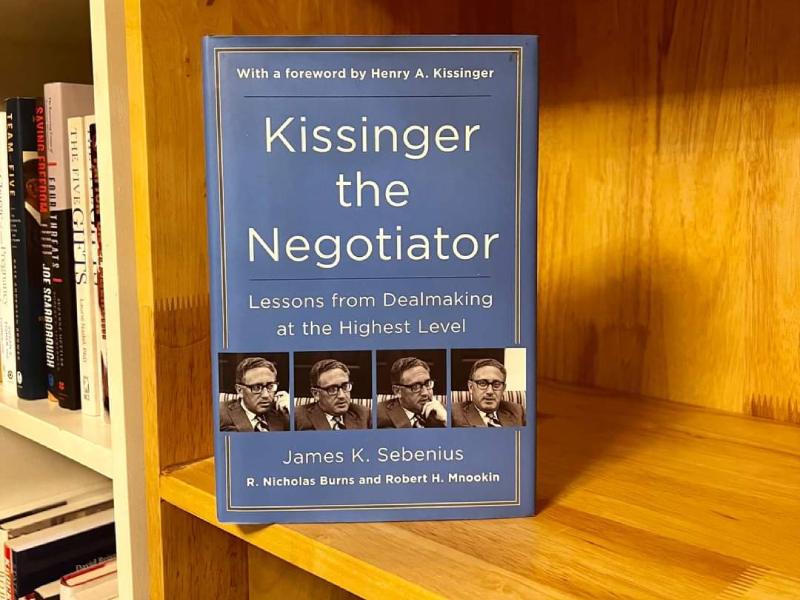
By Robert D. Kaplan
Know your opponent. The first step to negotiating effectively is to understand your opponent's interests, goals, and motivations.
Be prepared to walk away. If you are not willing to walk away from a negotiation, you will never have the upper hand.
Be creative. Don't be afraid to think outside the box and come up with creative solutions that meet the needs of both parties.
Be patient. Negotiations can take time, so be patient and don't expect to get everything you want right away.
Be flexible. Be willing to compromise and be open to new ideas.
Build trust. Trust is essential in any negotiation. Be honest and transparent with your opponent and build trust over time.
Be persistent. Don't give up easily. If you believe in your position, keep fighting for it.
Be willing to take risks. Sometimes you have to take risks in order to get what you want.
Be a good listener. Listening is just as important as talking in a negotiation. Pay attention to what your opponent is saying and understand their point of view.
Be prepared to make concessions. No negotiation will ever be perfect. Be prepared to make concessions in order to reach an agreement.
These are just some of the key takeaways from Kissinger the Negotiator. The book is a valuable resource for anyone who wants to learn more about the art of negotiation. NNL.