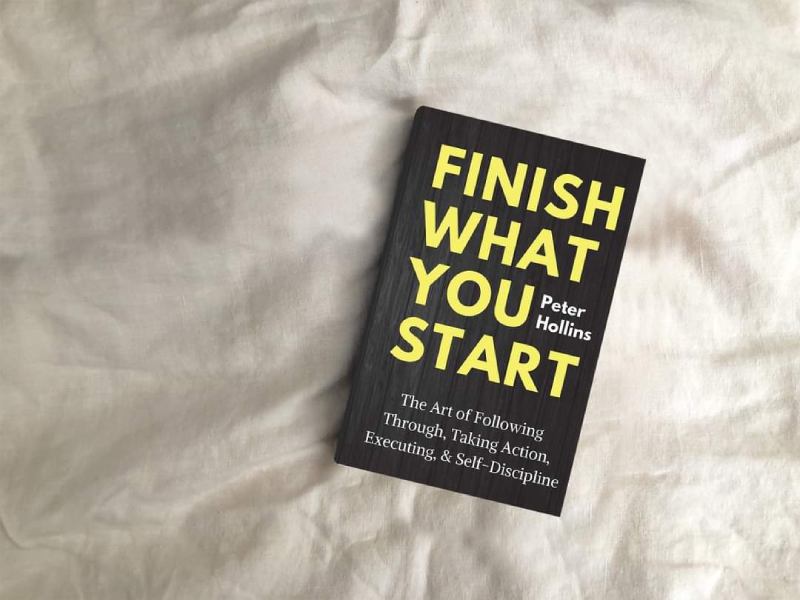
10 POWERFUL LESSONS FROM THE BOOK 'FINISH WHAT YOU START'

By Peter Hollins
1. Start with a clear vision: What do you want to achieve? Why is it important to you? Once you know what you want to accomplish, you can start to make a plan.
 Nigerian News Leader First with details then facts
 By Peter Hollins
1. Start with a clear vision: What do you want to achieve? Why is it important to you? Once you know what you want to accomplish, you can start to make a plan.

By Michelle Obama
Start kind: The way you start your day sets the tone for the rest of it. Start by being kind to yourself and others.
Go high: When faced with challenges, choose to go high instead of low. This means responding with grace, compassion, and strength.
Find your kitchen table: Surround yourself with people who lift you up and make you feel seen and supported.
Find your flow: What are you passionate about? What makes you feel alive? Find your flow and let it carry you through the tough times.
Don't be afraid to ask for help: There is no shame in asking for help when you need it. In fact, it's a sign of strength.
Be grateful: Take some time each day to appreciate the good things in your life. This will help you stay positive and hopeful.
Live in the present moment: Don't dwell on the past or worry about the future. Focus on the present moment and enjoy it.
Be kind to yourself: Forgive yourself for your mistakes and learn from them. Don't beat yourself up.
Believe in yourself: You are capable of great things. Believe in yourself and your ability to overcome any challenge.
Find your voice: Use your voice to speak up for what you believe in. Don't be afraid to stand up for what's right.
Be a force for good: Make the world better by being kind, compassionate, and helpful.
Never give up: No matter how tough things get, never give up on your dreams. Keep fighting for what you believe in.
Embrace change: Change is inevitable. Embrace it and learn to grow from it.
Be hopeful: There is always hope, even in the darkest of times. Hold on to hope, and never give up.
Be the light: Be a source of hope and inspiration for others. Let your light shine bright in the world. NNL.

By J. Krishnamurti
Prioritize Self-Reflection: The book stresses the need for self-reflection to gain clarity about your life's purpose, values, and goals.
Embrace Change and Risks: Readers are encouraged to step out of their comfort zones, embracing change and taking calculated risks for personal growth.
Seek Meaning and Fulfillment: Finding meaning and fulfillment by aligning actions with values and passions is a central theme.
Foster Personal Growth: Continuous learning and personal development are highlighted, promoting knowledge acquisition and skill enhancement.
Cultivate Meaningful Relationships: The book underscores the importance of nurturing supportive, inspiring relationships for personal and professional growth.
Take Responsibility: Readers are urged to take responsibility for their choices and actions, shaping their lives proactively.
Practice Gratitude and Mindfulness: The benefits of daily gratitude and mindfulness are emphasized for enhanced well-being and joy.
Embrace Failure as Growth: Failure is portrayed as a stepping stone to success, highlighting resilience and perseverance.
Make a Positive Impact: Contributing to communities and helping others are encouraged to leave a lasting, positive legacy.
Live Authentically: Readers are inspired to live authentically, staying true to themselves and resisting societal pressures for greater fulfillment and happiness. NNL.
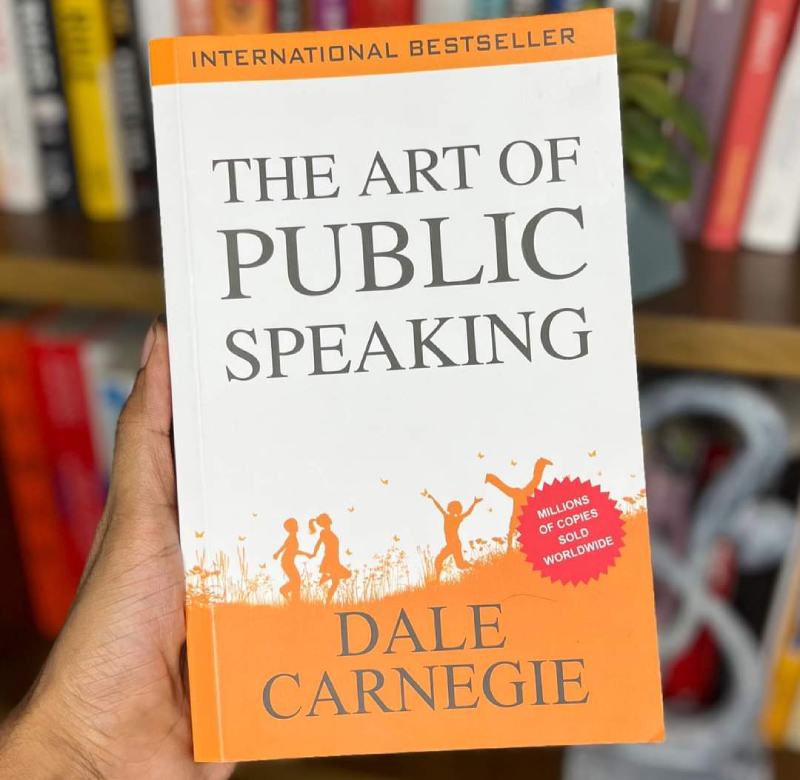
By Dale Carnegie
The Art of Public Speaking is a book by Dale Carnegie that has been in print since 1936. It is one of the best-selling books on public speaking ever published, and it has been translated into over 40 languages.
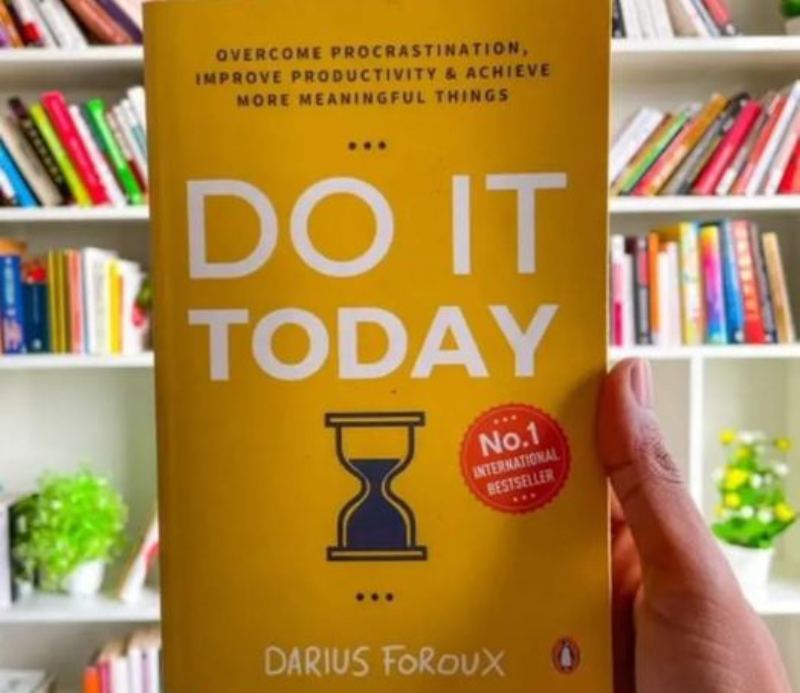
1. STOP LOOKING FOR SHORTCUT, AND DO THE WORK
Building a business or career is hard.
It requires you to do difficult, tedious, and unsatisfying tasks.
If you want more clients or work, no one is going to hand it to you.
You have to hustle.
Do content marketing, one-on-one sales, network, or whatever method you use to grow your business.
And if you want to climb the corporate ladder, you have to form alliances, be strategic, outperform your targets, and be great at what you do.
Thats what you SHOULD do, right?
Most of us already know these things.
Or, you will find out about it.
Theres no such thing as a secret to succeeding at work.
Elimination is a key strategy that I use for many aspects of my life.
We accumulate so much unnecessary baggage throughout the years that we consistently need to eliminate.
If you find yourself struggling to focus, try this strategy.
Make your life so simple that its a breeze to live.
And lets be honest here. Who wants to live a life thats impossible?
Life is already hard enough.
Dont make it harder.
What you really need is a system for doing work.
A lot of people shy away from routines, systems and frameworks because they want to have freedom.
I'm sorry to disappoint you: Freedom is your enemy.
The fact is that, if you want to get things done, you need rules.
If you combine the right productivity tactics, you have a productivity system.
The deadlines create urgency, accountability will create responsibility, working in intervals improves your focus, exercising will give you more energy, so does a healthy diet, and eliminating distractions will take away the temptations.
And theres only one reason to do that: Too much of anything is a bad thing.
Even good things.
Too much exercise?
You will get overtrained.
Too much love?
You will smother people.
Too much work?
You will burn out.
Too much food?
You will get fat.
Too much water?
You will die.
So why do you consume so much internet?
Follow Evans Mozurunyem Ministries for action-provoking posts every morning!
Focus determines the quality of your life.
No focus means no control of your attention.
And no control means frustration.
We all know what frustration leads to.
Start managing your attention.
Not your time.
You recharge your phone when it runs out of juice.
You refill your gas tank when youre running on empty.
But sometimes, you forget to do the same for your most precious possession:
Your body (and the brain thats inside of it).
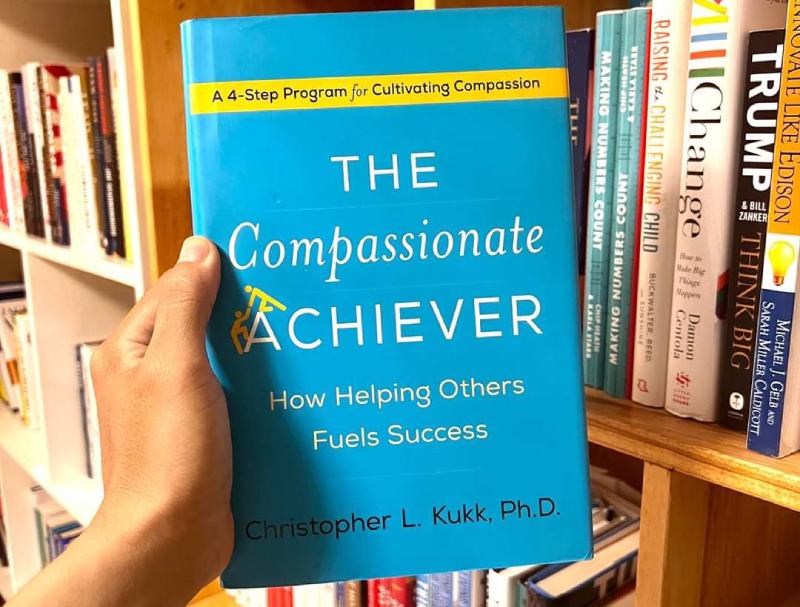
By Christopher L. Kukk
Compassion is not about being a martyr or a paragon of virtue. It's about rejecting rage and indifference and choosing instead to be a thoughtful, caring problem-solver.
Compassion is a skill that can be learned and developed. There are four key skills of compassion: listening, understanding, connecting, and acting.
Compassion is good for your health. Studies have shown that compassion can reduce stress, improve your immune system, and even extend your lifespan.
Compassion is good for your relationships. When you are compassionate, you are more likely to build strong, lasting relationships.
Compassion is good for your work. Compassionate people are more effective leaders, collaborators, and problem-solvers.
Compassion is good for the world. When we are compassionate, we create a more caring and just society.
There are many ways to practice compassion. You can volunteer your time, donate to charity, or simply be kind and helpful to others.
Start small. Don't feel like you have to do something big to be compassionate. Even small acts of kindness can make a difference.
Be patient. It takes time to develop compassion. Don't get discouraged if you don't see results immediately.
Don't give up. Compassion is a journey, not a destination. Keep practicing and you will eventually become a more compassionate person.
I hope these takeaways inspire you to practice compassion in your own life. It's a skill that is good for you, your relationships, your work, and the world. NNL.
Sponsored Advert: Amazing HAIRS From Hair La Explorah Click/TAP For More INFO!!!