

By Prince Charles Chudi Chukwuani
Nigeria’s leading broadcast and business news organisations occupy a powerful position in shaping public understanding of governance, diplomacy, and Nigeria’s standing in the world. With that influence comes responsibility — particularly when reporting presidential activities outside the country.
Recent coverage by major Nigerian media outlets (Channels TV, ARISE News-with our integrity reporter Oseni Rufai seating there facing almighty Abatti, Business Newsday) of a reported presidential engagement abroad highlights an important issue: verification standards, not political alignment.
Why Presidential Outings Require Higher Scrutiny
In global journalism practice, reports of presidential meetings — especially those said to occur outside the country — are treated as high-risk stories. This is because such reports have diplomatic, reputational, and policy implications.
For this reason, international newsrooms such as Reuters, the BBC, and the Associated Press require that: Official government statements be treated as claims, not established fact; Diplomatic engagements be corroborated by the counterpart government, host country, or independent sources; Visual materials be verified for authenticity or clearly labelled if their provenance is uncertain.[1][2][3].
Where the Nigerian Coverage Fell Short In the instance under review, reports by Channels Television, ARISE News, and BusinessDay Nigeria relied predominantly on official communications from the Nigerian presidency, including social-media content.
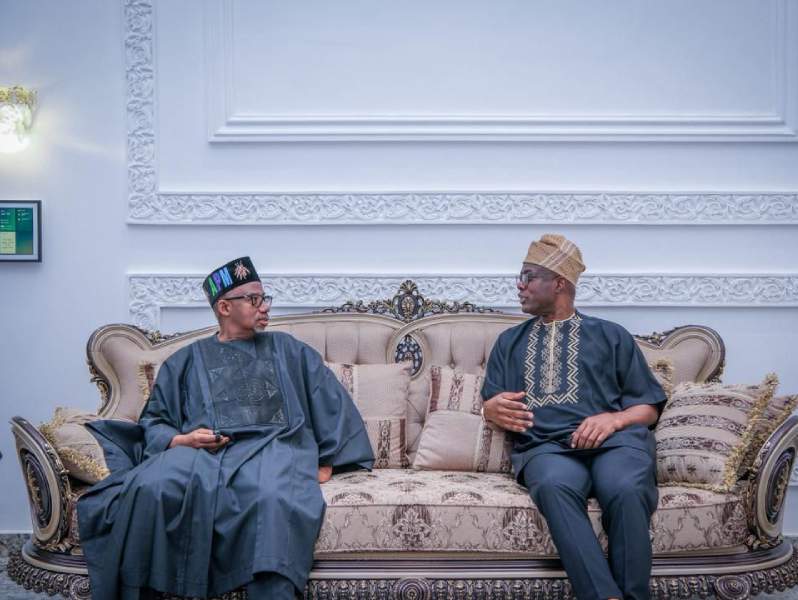
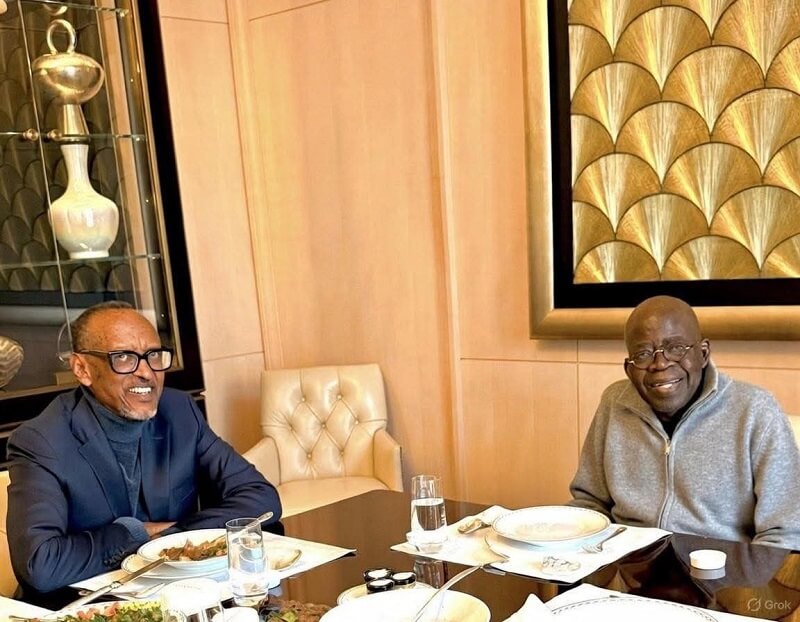
However, there was no independent confirmation from the foreign presidency reportedly involved; No verification from the host country; No corroboration from international wire services that routinely track presidential movements; And an image later identified as AI-generated was initially presented without disclosure.
This approach does not suggest dishonesty or propaganda. Rather, it reflects a lapse in verification rigor when measured against global best practice.
What Global Outlets Would Have Done Differently
Under Reuters, BBC, or AP standards, such reports would ordinarily: Be framed explicitly as “according to a statement from the Nigerian presidency”; State clearly that the engagement could not be independently verified at the time of publication; Avoid using images of uncertain authenticity, or label them transparently.[1][2] These steps protect both the audience and the credibility of the newsroom.
Why This Matters for Nigerian Journalism
Nigeria’s media does not operate in isolation. Its reporting is read by: Foreign investors, Diplomatic missions, International media monitors, and Nigeria’s own diaspora.
When unverified official claims are reported as settled fact, the risk is not only reputational for the media houses involved — it also affects public trust in Nigerian journalism as a whole.
The issue, therefore, is not whether journalists should report presidential statements — they should. The issue is how such statements are contextualised, attributed, and verified.
A Constructive Way Forward
This episode should be understood as a professional learning moment, not a condemnation. Nigerian journalism has many respected practitioners and institutions. Strengthening editorial guardrails — especially around presidential and diplomatic reporting — will only enhance that reputation.
In an age of AI-generated content and instantaneous official messaging, verification discipline is no longer optional. It is the difference between access journalism and credible journalism.
Footnotes / References
[1] Reuters Handbook of Journalism, “Accuracy, sourcing and verification” — Reuters Trust Principles require confirmation from multiple independent sources and caution in reporting official claims as fact.
[2] BBC Editorial Guidelines, Sections on Accuracy and Use of Sources — BBC requires corroboration of contentious claims and transparency where verification is not possible.
[3] Associated Press Newsroom Standards, “Attribution and Verification” — AP emphasizes clear attribution, avoidance of unverified claims, and strict handling of altered or AI-generated visuals. NNL.