(A NewsLeader Editorial, Friday, October 16, 2026)
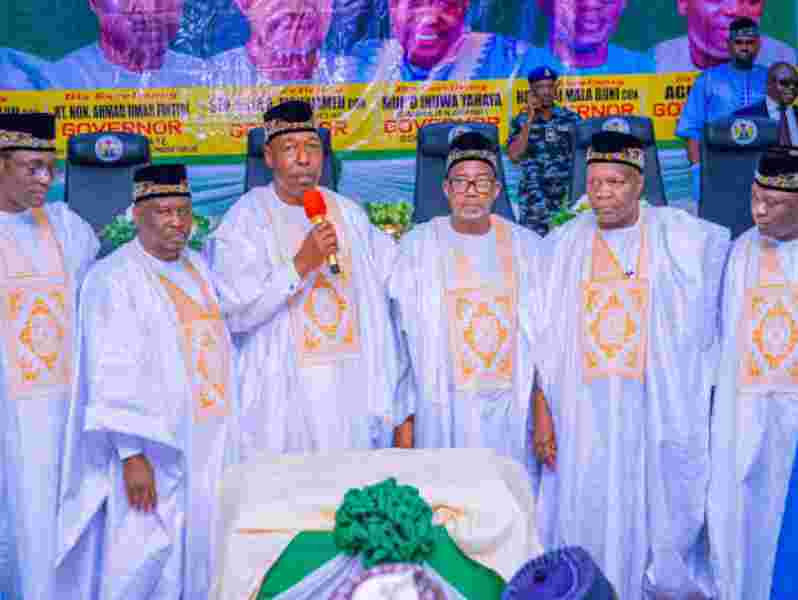
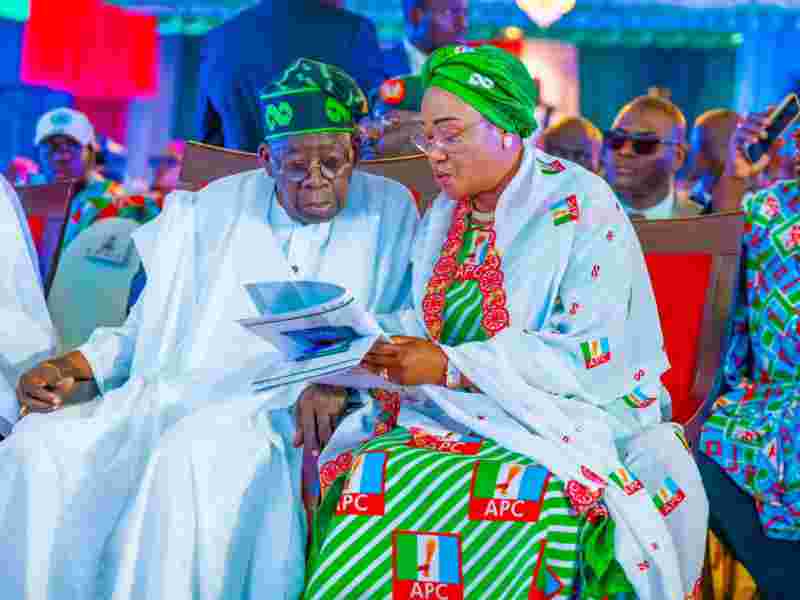
The inauguration of the All Progressives Congress (APC) Presidential Campaign Council on Thursday, October 15, 2026, was staged as a display of expansive leadership and elite consensus.
President Bola Tinubu, chairing the council, declared the party “ready and united to renew its covenant with Nigerians”. The event, held at the State House Conference Centre in Abuja, drew a carefully curated audience of political heavyweights, including figures nominally outside the APC’s traditional fold.
The speeches offered a window into the campaign’s intended messaging. Tinubu’s address was notably disciplined. He framed the inauguration as a “renewal of a covenant” with the electorate, stressing that “no one gets credit for an incomplete assignment” until votes are delivered at the ward level. He also preemptively addressed the tension between campaigning and governance, stating that he would skip some rallies because “the responsibility of this office does not pause”.
Vice-President Kashim Shettima took a more combative tone, attacking opposition figures, Atiku Abubakar and Peter Obi for allegedly belittling the presidency and peddling “bogus statistics”. APC National Chairman Nentawe Yilwatda called for an issue-based contest.
The council’s composition is its most revealing feature. The inclusion of Nyesom Wike, Ademola Adeleke, and Chukwuma Soludo—politicians from ostensibly opposition parties—was presented by Soludo as an unprecedented “elite consensus”. Yet this “broad consensus” is more of a testament to Tinubu’s tactical accommodation than to genuine ideological convergence. The Makinde/Daura campaign swiftly dismissed it as a “Nebuchadnezzar Coalition” that cannot “whitewash the failures of the APC administration”.
That charge lands because the mood of the electorate is grim. A Reuters voter tracker found that nearly 80% of Nigerians believe the country is headed in the wrong direction, with 45% citing economic hardship and insecurity as their top concerns. These are certainly not abstract numbers, they reflect families skipping meals, businesses shuttering, and a pervasive sense of decline. The APC’s campaign must persuade voters that the “Renewed Hope Agenda” is more than rhetoric, despite three years of painful subsidy removal and currency devaluation.
The opposition, however, is in disarray. Atiku Abubakar, Peter Obi, and Rabiu Kwankwaso have all abandoned their 2023 platforms—PDP, Labour Party, and NNPP—for new vehicles with seeming no national infrastructure. Atiku now runs on the African Democratic Congress (ADC) ticket. Obi is vying on the platform of the Nigeria Democratic Congress (NDC) along with Kwankwaso of former New Nigeria National Party (NNNP), the two former rivals have even attempted a joint ticket.
This fragmentation appears like a gift to the APC, whose incumbency advantages, federal patronage, control of state machinery, and a divided field, are formidable. As one APC chieftain boasted, the opposition poses “no threat”.
Is this campaign different from the PDP era? In form, remarkably so. Under the PDP, campaign councils were often fractious, with governors openly shunning inaugurations. The APC has achieved a surface unity the PDP rarely managed. But in substance, the dynamics are familiar: a ruling party leveraging state power to co-opt rivals, a fragmented opposition, and a electorate weary of unfulfilled promises. The “elite consensus” on display is less a new politics than a more polished version of the old.
What could the Tinubu government have done differently? Three years in, the administration’s reform agenda has produced macroeconomic stabilisation, a GDP growth of 4.2% and inflation halved from its peak. Yet these gains have not translated into tangible relief. A more sequenced approach of pairing subsidy removal with targeted cash transfers from day one, rather than after protests, might have softened the blow. A more transparent communication strategy could have framed reforms as a collective sacrifice for national renewal, rather than a technocratic adjustment imposed from above. Most critically, the government could have prioritised visible wins in security and food affordability, the two issues voters cite most often.
The 2027 election will not be won by the size of a campaign council or the pedigree of its members. It will be decided by whether Nigerians feel their lives have improved. The APC has the machinery and the opposition’s disunity on its side. But it cannot campaign its way out of an economy that leaves 140 million people in multidimensional poverty.
The covenant Tinubu speaks of must be renewed with results, not just rhetoric. Until then, the “expansive leadership” on display in Abuja remains a coalition of convenience, not a contract with the Nigerian people. NNL.