
(A NewsLeader Editorial, Thursday, October 15, 2026)
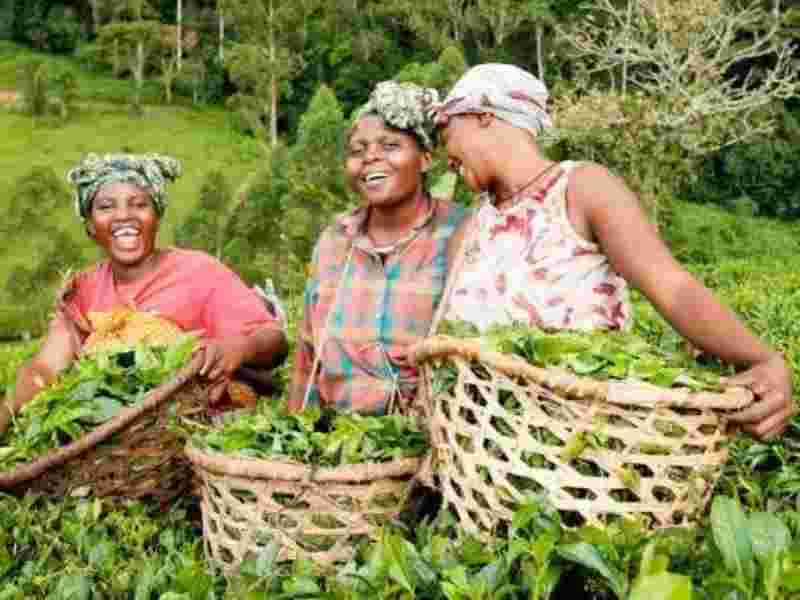
As the world marks the International Day for Rural Women today, Thursday, October 15, 2026, let's spare a thought for the millions of rural mothers, women who are farmers of the food we eat, the real guardians of nature and pillars of development. We need to continually celebrate them.
Every year, millions of these rural women rise before dawn to cultivate the land, fetch water, tend livestock, preserve seeds, process agricultural produce and prepare food for their families and communities.
They are precious gems whose hands sustain households and their labour feeds nations; their knowledge helps preserve the natural environment. Yet, despite these enormous contributions, many of them remain trapped in poverty, denied economic opportunities and excluded from decisions that determine their livelihoods.
This contradiction deserves urgent attention as the world celebrates the United Nations International Day of Rural Women today under the theme "Rural Women Farmers Caring for Mother Nature."
This year's theme is apt. It celebrates rural women's contributions to food production, bio-diversity conservation, water management and the restoration of degraded land. It also challenges governments and development institutions to recognise that empowering rural women is indispensable to food security, environmental sustainability and inclusive economic growth.
For Nigeria, where agriculture remains an important source of employment and livelihood, this year's observance should be more than a ceremonial occasion. It should be a call to action to dismantle the barriers preventing rural women from reaching their full potential.
The significance of this year's theme lies in its recognition that rural women are not merely agricultural labourers; they are also custodians of natural resources and valuable repositories of indigenous environmental knowledge. Across rural communities, women select and preserve seeds, cultivate traditional food crops, maintain home gardens, manage small livestock, conserve water and develop practical responses to changing weather conditions. Their knowledge of local soils, seasonal planting patterns, indigenous crops and biodiversity can contribute significantly to climate adaptation and sustainable agriculture.
The United Nations estimates that women constitute close to 40 per cent of the global agricultural labour force, with their share exceeding 50 per cent in parts of Africa and Asia. Yet their contribution is frequently undermined by unequal access to land, credit, technology and markets. The UN also reports that women own only about 15 per cent of agricultural land globally. These disparities represent not merely an injustice but a serious obstacle to agricultural productivity and rural development.
The 2026 theme therefore connects women's empowerment with environmental protection. It reminds the world that sustainable agriculture cannot be achieved by excluding the women whose everyday activities help sustain the land, water and biodiversity upon which food production depends.
In Nigeria, rural women are central to food production, processing, preservation and marketing. They are resilient but underserved. From the rice fields of the North and the cassava farms of the South to vegetable gardens, fishing communities and livestock-rearing households, their contributions are visible throughout the agricultural value chain. Many women cultivate family farms, produce garri, process palm oil, smoke fish, trade in grains and vegetables, and operate small businesses that support their families.
Others combine agricultural work with childcare, domestic responsibilities and caring for elderly relatives. Despite their resilience and enterprise, their challenges remain formidable. There is the problem of land ownership and security of tenure. Customary practices, inheritance arrangements and discriminatory social attitudes can prevent women from owning, inheriting or exercising secure control over farmland. Women who lack recognised land rights may struggle to obtain credit, invest in improved farming methods or make long-term decisions about their farms.
The rural women also have inadequate access to affordable finance. Commercial banks frequently require collateral that many rural women cannot provide. Without affordable loans, they cannot readily purchase improved seeds, fertilisers, irrigation equipment, processing machinery or transportation for their produce. They also face the persistent infrastructure deficit. Poor rural roads increase transportation costs and cause food losses. Inadequate electricity limits processing and storage, while insufficient water facilities increase the burden of domestic work and agricultural production. Limited access to healthcare, education and digital technology further restricts opportunities for the women residing in our rural communities.
The problem of climate change compounds their difficulties, coupled with Irregular rainfall, flooding, drought, soil degradation and changing planting seasons, threaten their livelihood. Insecurity, including attacks on farming communities and restrictions on access to agricultural land in affected areas, adds another layer of hardship encountered by the rural women.
Furthermore, women's agricultural labour is frequently underpaid, unpaid or inadequately recognised. They may work extensively on family farms without having an equal say in the income generated or the decisions made about household resources. These obstacles cannot be dismissed as inevitable features of rural life. They reflect policy choices, institutional weaknesses and social inequalities that governments have a responsibility to address.
The situation is not unique to Nigeria. Across sub-Saharan Africa, rural women face overlapping challenges involving land rights, agricultural finance, inadequate infrastructure, limited extension services and climate vulnerability. Their problems are a shared challenge across the developing world.
In parts of East Africa, women farmers face the additional pressures of drought and water scarcity. And in South Asia, many of the rural women undertake agricultural work while experiencing unequal land ownership, restricted access to technology and limited participation in farm-related decisions.
In Latin America, rural and Indigenous women contribute to food production, traditional seed preservation and biodiversity conservation. However, many face unequal access to productive assets, rural services and profitable agricultural markets.
Geographic isolation, discrimination and the difficulties confronting small-scale farmers can further constrain their opportunities.
Although the circumstances differ between countries and communities, the underlying lesson is similar: a nation cannot sustainably develop its agricultural sector while neglecting the rights, knowledge and productive capacity of its rural women.
The United Nations' Sustainable Development Goal 5, which promotes gender equality, and Goal 2, which seeks to end hunger and achieve food security, are therefore closely connected to rural women's empowerment. Progress towards these goals requires action that extends beyond declarations to measurable improvements in women's economic and social circumstances.
It would, however, be unfair to portray rural women only as victims of deprivation. Their achievements deserve equal recognition.
Across Nigeria and other developing countries, rural women have established cooperative societies, organised savings groups, developed food-processing enterprises and created local distribution networks. Through these activities, they support household incomes, generate employment and strengthen community food security.
Some have adopted improved farming practices, embraced mobile banking, accessed digital markets and participated in agricultural training programmes. Others have helped preserve indigenous crop varieties and traditional farming knowledge that may prove valuable as communities adapt to climate change.
These achievements demonstrate that rural women do not lack ambition, intelligence or productive capacity. What many lack are the resources, institutional support and opportunities required to translate their efforts into sustainable prosperity.
Indeed, the United Nations Food and Agriculture Organization (FAO) has highlighted the potential gains from closing gender gaps in access to agricultural resources. Its global assessment indicates that giving women equal access to productive resources could increase farm yields by 20–30 per cent and reduce hunger for an additional 100 million to 150 million people. This is a powerful economic argument for equality as investing in rural women is not charity; it is an investment in productivity, poverty reduction and national development.
Therefore, what the governments at both federal, state and local levels in Nigeria should do must move from occasional empowerment ceremonies to sustained policies that improve rural women's economic circumstances. They should strengthen women's land rights by enforcing existing legal protections, reviewing discriminatory laws and practices, improving access to land registration, and supporting women's participation in land administration. Widows and women facing unlawful dispossession require accessible legal assistance.
Agricultural financing must become more accessible to the rural woman. Public agricultural banks, development finance institutions and commercial lenders should expand affordable credit, appropriately designed loan guarantees, cooperative lending and savings programmes. Financing arrangements must reflect the realities of small-scale farmers rather than impose requirements that automatically exclude them.
Also, agricultural extension services should deliberately reach the rural women farmers. Training should cover climate-smart agriculture, improved seeds, soil conservation, irrigation, pest management, food preservation and environmentally sustainable production. Rural women should also have access to appropriate machinery that reduces strenuous labour. Rural infrastructure requires urgent investment. Better roads, reliable electricity, safe drinking water, storage facilities, irrigation systems and local processing centres would reduce post-harvest losses and improve the value of agricultural produce.
Governments must expand rural healthcare, maternal services, girls' education, adult literacy, vocational training and digital inclusion. Rural women cannot fully realise their productive potential when preventable illnesses, illiteracy and excessive unpaid care responsibilities consume their time and resources. They women must be represented in agricultural policy committees, local councils, cooperative leadership and environmental decision-making. Policies designed without their participation risk overlooking the very challenges they are intended to solve.
International institutions also have a critical responsibility in mitigating the challenges The Food and Agriculture Organization, UN Women, the International Fund for Agricultural Development, the World Bank and other development partners should expand programmes that provide rural women with finance, training, agricultural technology and market access.
Their interventions should prioritise locally determined needs, transparent funding, measurable outcomes and long-term sustainability rather than short-lived projects that disappear when external funding ends.
International development partners should also support climate-resilient agriculture, renewable energy, water conservation, biodiversity protection and affordable technologies suitable for small-scale farmers.
Meanwhile, private companies, agricultural processors, banks and retailers should establish fair purchasing arrangements, improve women's access to value chains and provide opportunities for rural enterprises to supply larger markets. Civil society organisations and the media must expose discriminatory practices, monitor public spending and amplify rural women's voices.
NEWSLEADER'S POSITION
The Nigerian NewsLeader is of the view that the recognition of the rural women should be turned into opportunity. In this year's International Day of Rural Women, Nigeria must recognise that food security, environmental protection and rural prosperity cannot be achieved by treating women as secondary participants in development. The 2026 theme, "Rural Women Farmers Caring for Mother Nature", should inspire a practical national commitment to protect the environment while improving the lives of those who depend on it.
Governments must invest in rural communities, secure women's land rights, improve access to finance, expand agricultural technology and ensure that rural women participate in decisions affecting their livelihoods. Development institutions must provide sustained support, while communities must challenge customs and attitudes that deny women equal opportunities.
The achievements of rural women deserve more than praise on an international commemorative day. They deserve fair compensation, access to productive resources, protection of their rights and a meaningful voice in shaping public policy.
Nigeria's agricultural transformation will remain incomplete if the women who cultivate, process and preserve much of its food continue to face avoidable disadvantages.
The message of this year's observance is clear: protecting nature and empowering rural women must go hand in hand. When rural women prosper, families become more secure, communities grow stronger, food systems become more resilient and nations move closer to sustainable development.
It is time for Nigeria and the wider developing world to move beyond celebrating rural women's resilience and begin removing the obstacles that make such extraordinary resilience necessary. NNL.