

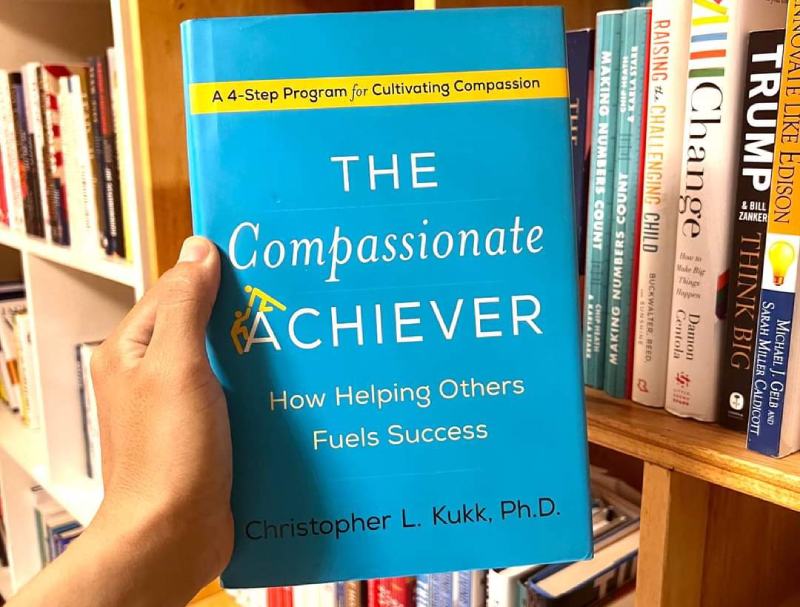
By Christopher L. Kukk
-
Compassion is not about being a martyr or a paragon of virtue. It's about rejecting rage and indifference and choosing instead to be a thoughtful, caring problem-solver.
-
Compassion is a skill that can be learned and developed. There are four key skills of compassion: listening, understanding, connecting, and acting.
-
Compassion is good for your health. Studies have shown that compassion can reduce stress, improve your immune system, and even extend your lifespan.
-
Compassion is good for your relationships. When you are compassionate, you are more likely to build strong, lasting relationships.
-
Compassion is good for your work. Compassionate people are more effective leaders, collaborators, and problem-solvers.
-
Compassion is good for the world. When we are compassionate, we create a more caring and just society.
-
There are many ways to practice compassion. You can volunteer your time, donate to charity, or simply be kind and helpful to others.
-
Start small. Don't feel like you have to do something big to be compassionate. Even small acts of kindness can make a difference.
-
Be patient. It takes time to develop compassion. Don't get discouraged if you don't see results immediately.
-
Don't give up. Compassion is a journey, not a destination. Keep practicing and you will eventually become a more compassionate person.
I hope these takeaways inspire you to practice compassion in your own life. It's a skill that is good for you, your relationships, your work, and the world. NNL.