
By Ankeli Emmanuel (In Sokoto State)
Much as ending or drastically reducing cases of Violence Against Persons in Sokoto is very possible considering the Violence Against Persons Prohibition (VAPP) law and the Sokoto State Child Protection Law that are in place, however inadequate sentence of offenders is frustrating the fight against gender based violence in the s. State, Barrister Aishatu Kaoje has said.
Barrister Kaoje, who is the State Director of Public Prosecution (DPP) added that when those saddled with prosecution responsibilities become intentional in ensuring that laws are applied to the latter, the state will be safer for all.
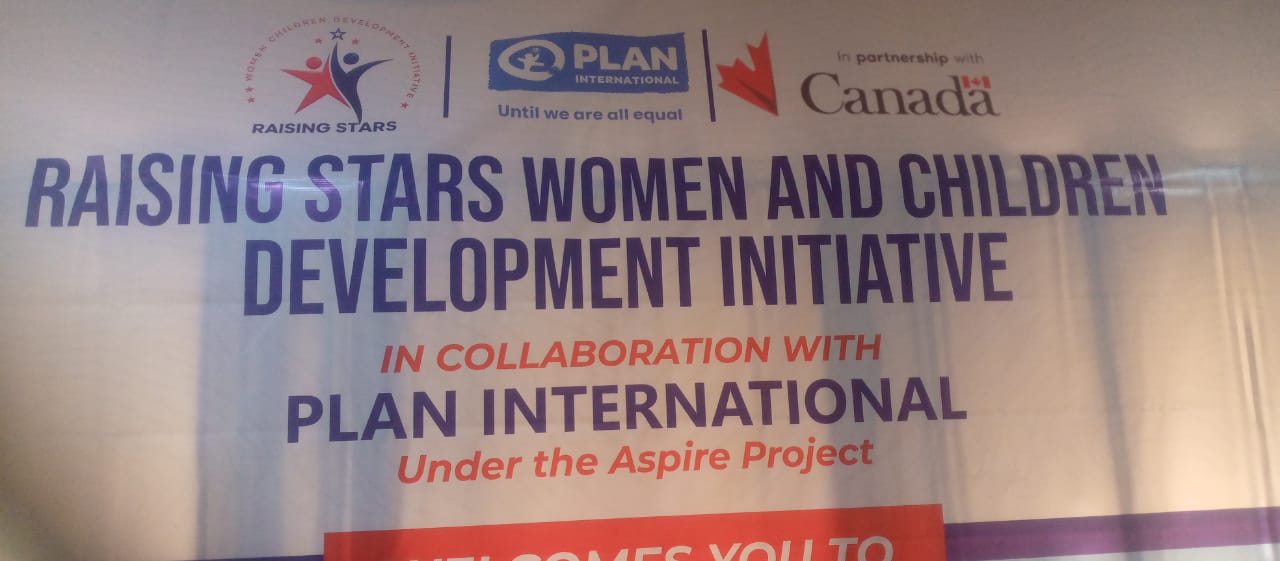
Speaking at a one day roundtable workshop organized by the Rising Stars Women and Children Development Initiative (RSWCDI) in collaboration with PLAN International under the Aspire Project, the DPP, Barrister Aisha submitted that with genuine collaboration and push for effective and strong implementation of VAPP and Sokoto Child Protection Law having a protected and safer communities for all can be guaranteed.
The roundtable discussion with it's theme: " Strengthening The Implementation of VAPP Law 2021 and the Sokoto State Child Protection Law", brought together professionals from different walks of life.
Talking on the Sokoto state Child Protection Law, the DPP Barrister Aisha said it came into being on the 22nd of November, 2021 and centers majorly on child's protection, support, care, supervision, and guardianship.
She pointed out to
section 26 of Sokoto Child Protection Law which recommends that a person who commits rape is liable to conviction for life imprisonment, noting such is often not the case.
"The Sokoto Child Protection Law is faced with weak evidence gathering, late medical report, relocation of witnesses, insecurity, settlement outside judicial system, weak case management system, lack of court sensitization, lack of forensic labs or facilities to conduct DNA, inadequate sentences as well as lack of accelerated hearing, and non implementation of compensation for survivors".
Giving her welcome remarks and the overview of the Aspire Project initiative, RSWCDI Programme Manager, Barrister Margaret Bala Nggada said the focus areas include all participants seeing themselves as partners in building a safer Sokoto state for women and children, ensure consistent awareness, facilitate survivors support, work on policy implementation and accountability, monitor enforcement, avswell as allow for community engagement.
Barrister Margaret however submitted that when all these are achieved, in conjunction with strong laws, then the certainty of having strong protections and safer communities can be guaranteed.
Responding to the issue of judicial staff not doing enough to ensure sentencing of offenders, Justice Abubakar Adamu of the Sokoto State High Court said it's mostly based on the content of the offences brought against the offender.
On the compensation for survivors, Justice Adamu said it's very difficult for the Court to determine what should be given as compensation if application for such is not made before the Court.
"Issue of compensation should not be left to the discretion of the Court rather the prosecuting council should apply for such to guide the Court appropriately". Justice Adamu appealed. NNL.